
The Diet Generation: The New Normal That’s Keeping Us Fat

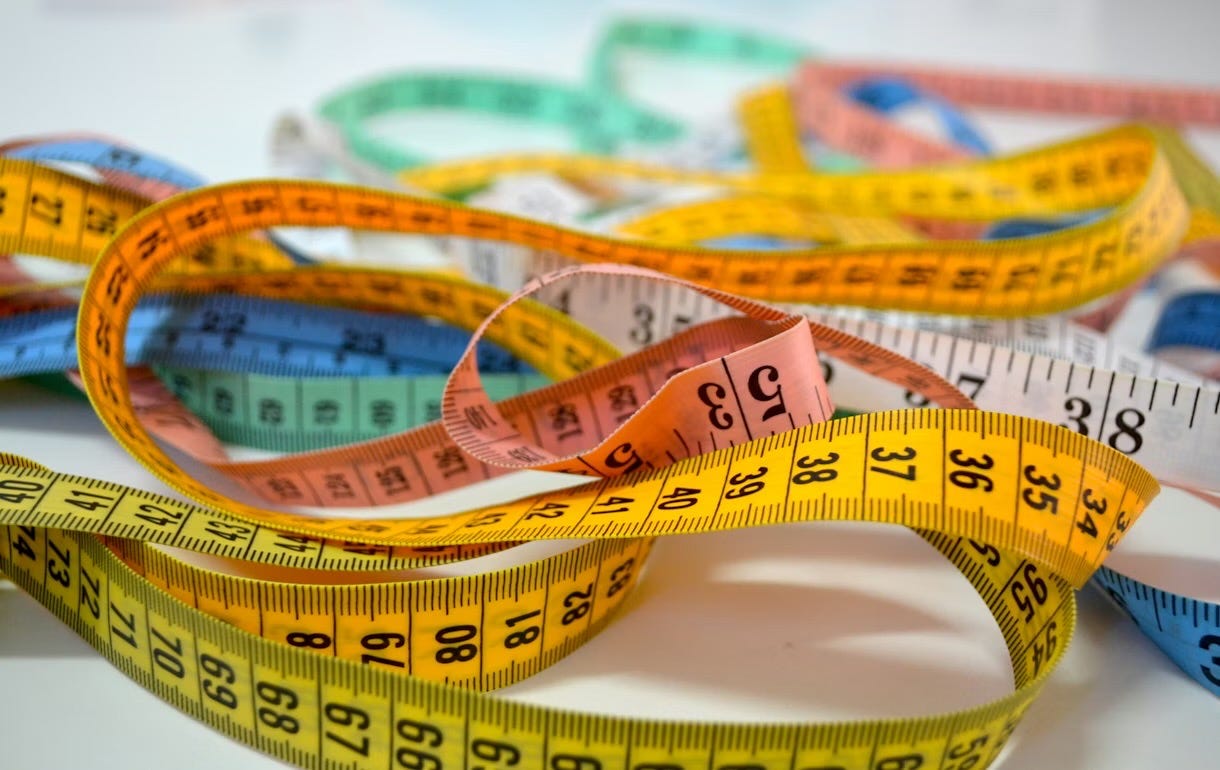
I was born 33 years after Weight Watchers was started in 1963. I’ve always been fat, and very aware that others my age were not (mostly).
By the time I was 13, I was trying to figure out my first diet. I knew a little. I’d seen family members diet, seen commercials about diet products, and pretty girls on TV would talk about watching their calories.
Thirteen was when I got into detail, though. My family was worried about me, after all. They didn’t know where to start. My grandmother gave me some Weight Watchers Points tools, but I didn’t know how to use them.
I was always the nerd of the household, and as soon as our internet was fast I was ready to do my own deep dives on any given subject. Information on dieting was everywhere.
I turn 30 in July. Fat adults my age, slightly older, and way younger than me have had enormous input about food and nutrition our whole lives. We consider doctors the experts, but they typically get 19.6 hours of nutrition education over their four years in Medical school. I spent that much time learning the “facts” of healthy eating before I even entered high school. Most people in my age group who’ve tried to lose weight are the same.
Don’t get me wrong, despite the vast quantities of information out there, most of it is useless. Some of it is outright made-up and contradictory. But if a Wellness Guru somewhere has lost weight with her Method, she already is more reliable on the subject of weight loss than some MD who told you the same stuff you tried last time. Even if the Wellness blogger is repackaging the same “do this and don’t do that,” it’s easy to convince yourself otherwise when looking at someone who seems to be maintaining her results. But obviously, if even half these before and afters were real, there would be no obesity in America! Even before AI and Photoshop, I guess we all knew that someone would starve themselves and lose weight and take a photo and then regain it all.
We also have a distorted view of what normal is. My waistline is 59 inches. There’s no question, I’m fat. Still, as time goes on, the image people have of a “normal” size gets more and more forgiving.
In an online survey about “healthy” eating I read that 55% believed the United States’s obesity rate is 50%. It’s closer to 75% since waist measurements were added to the criteria.
I grew up in a world where “fat” was always synonymous with “disgusting” (which is why many of us get hurt when called that, even when we know it’s true) but today the majority of people are obese. People see normal as skinny, and skinny as “skin and bones.” The longer obesity dominates the population, the more people’s expectations change. Thin people stick out. They are the exceptions. People tell them they don’t look healthy.
Fat people don’t care that now the latest obesity stats show we are 70% of the population. The only people who are upset are the wellness influencers who are making so much money selling us their solutions because obviously if it's 70%-- and it is maybe higher-- their solutions don’t work.
Today we are finally getting the truth: it doesn’t matter what you eat --it’s only how much and how often. Ozempic is making that easier since we’re no longer hungry nonstop. The wellness world is freaking out. Good—they deserve to be blamed.
Considering my generation has so many obese people and so much access to information, you’d think we’d have figured out how to lose it. However, a recent survey asked respondents about diet and exercise and 93% said the best weight loss strategy was to “eat healthy and exercise more.” Really, it’s the same strategy we’ve bought into repeatedly. The more we practice it, the heavier we become.
I’m a few weeks into my final weight loss journey. This time I’m doing two new approaches: I’m taking a GLP-1 and I’m using the 80Bites program to learn to eat less food. NOT fewer calories. Less Quantity. Instead of focusing on calories or food group manipulation like in typical weight loss diets, I find this program teaches me how much a normal meal is in quantity. And how frequently to eat. Later I will learn what foods balance each other. It doesn’t blame carbs or guide you to fill up with flavorless vegetables.
I’m confident in this approach. Though I’m early on in my weight loss process, the difference is now I’m learning how I should have been eating from the beginning. And I feel so much more energy from not digesting huge quantities of food at all times.